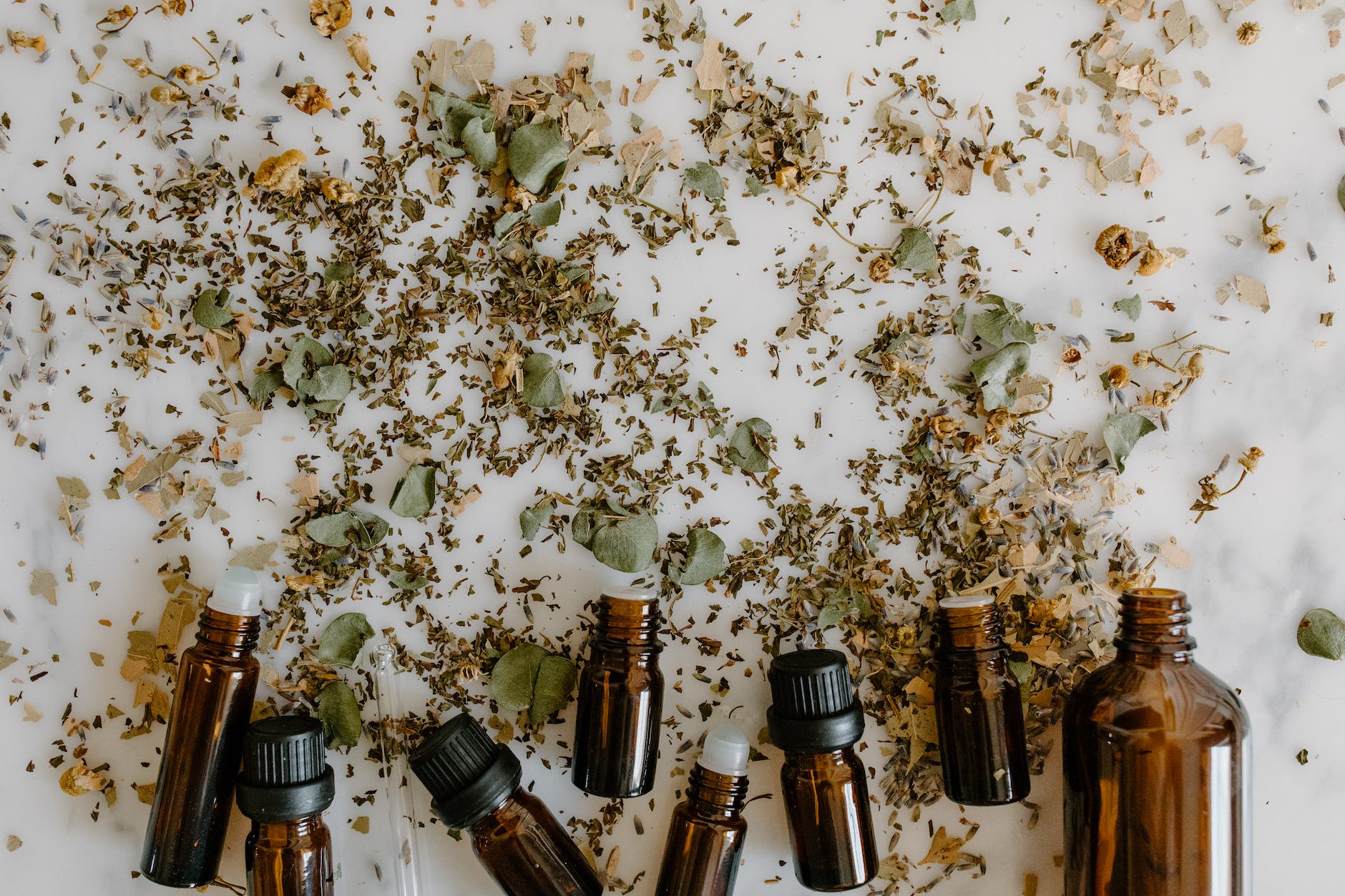
Aromatherapy is the use of essential oils from plants such as flowers, herbs, and trees to improve physical, emotional, and spiritual well-being.
Essential oils may be inhaled directly or indirectly or diluted and applied to the skin. In aromatherapy massages, essential oils are diluted and massaged into the skin. You can use essential oils in the bath, in a burner or vaporier, in a base oil as a topical blend.
There are many benefits to using essential oils as they can help with low energy, aches & pains, muscle tension, poor digestion, nausea, stress and so much more.
Aromas have such an incredible impact on our mood and emotions. They can instil comfort and brighten our day. Even if you wake up grumpy diffusing essential oils like sweet orange can help pull your mood out of a lower mood.
The essential oils you choose will depend upon your personal aroma preferences, your favourite self-care practices, and the type of experience you are wanting to create.
If you want to relax and create stress relief one of the most popular essential oils for this purpose is lavender as it can relax the body and mind. A study published in the International Journal of Nursing Studies found that inhaling lavender essential oil reduced stress levels in a group of women who were undergoing a stressful task. Participants who inhaled lavender oil had significantly lower levels of cortisol, a stress hormone, compared to those who inhaled a placebo.
Peppermint oil is another essential oil that can provide a refreshing and invigorating experience. A study published in the Journal of the International Society of Sports Nutrition found that inhaling peppermint oil improved cognitive performance and mood in a group of male athletes.
Other essential oils that have been found to be effective for relaxation and stress relief include chamomile, ylang-ylang, bergamot, and lemon.
Aromatherapy with essential oils can also be effective for mood improvement. One study published in the Journal of Affective Disorders found that massage with essential oils, including lavender, rose, and peppermint, improved mood and reduced symptoms of depression in a group of women with major depressive disorder.
Another study published in the Journal of Psychiatric Research found that inhaling lemon essential oil improved mood and reduced symptoms of anxiety in a group of hospitalized patients with a mood disorder.
How to Use Essential Oils:
There are several ways to use essential oils for relaxation and mood improvement. One of the most popular ways is through inhalation. When you inhale an essential oil, the molecules travel through your nose and interact with the olfactory receptors in your brain. This can lead to changes in your body’s physiological responses, such as decreased heart rate and blood pressure, which can help to promote relaxation.
You can inhale essential oils by adding a few drops to a diffuser. You can also inhale essential oils directly from the bottle.
Topical application of essential oils can also be effective for relaxation and mood improvement. When applied to the skin, essential oils are absorbed and can interact with the body’s endocrine system, which can help to balance hormones and reduce stress. Essential oils can be applied topically by diluting them with a carrier oil, such as coconut oil or jojoba oil, and massaging into the skin.
It’s important to note that essential oils should be used with caution and under the guidance of a qualified practitioner. Some oils may not be suitable for certain people, such as pregnant women, or those with certain medical conditions, and some can cause irritation or allergic reactions if used in high concentrations or undiluted.
Don’t forget to also get out in nature for free aromatherapy and smell the flowers and plants around us.
 Sonas Space
Leave a comment